
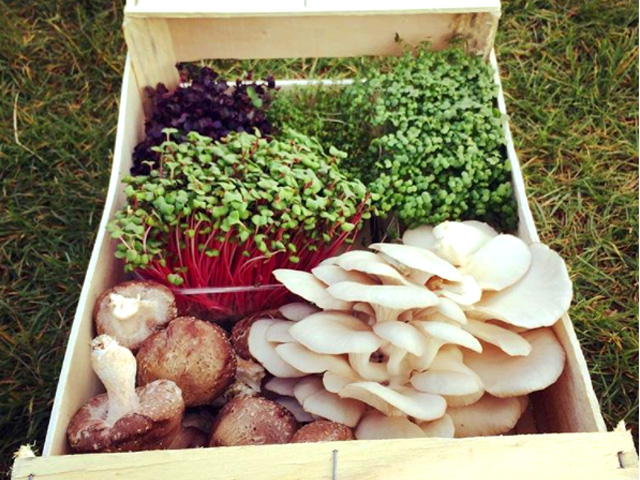
The 334 square metre hydroponic can be found beneath the city’s streets. Called La Caverne, the garden was set up by indoor-farming startup Cycloponics, and has been growing lettuce, mushrooms, and herbs in an old car park, with plans to introduce endive production later this year.
French entrepreneurs Théophile Champagnat and Jean-Noël Gertz came up with the idea for the project. According to their Facebook page, the mission is to “Produce fresh healthy food where people are living, to have a positive impact on the local communities and to transform the underground urban landscape”. 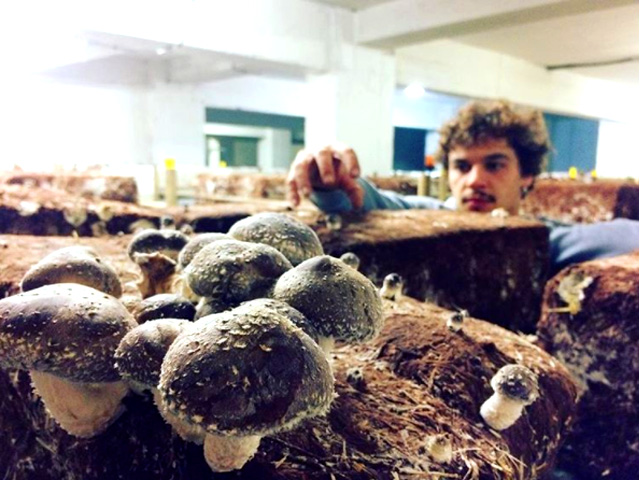
La Caverne is not their first underground farm. Cycloponics also opened a farm in Strasbourg in a former wartime bunker and another site is under development in the basement of a social housing unit in Bordeaux. The produce are sold to markets and delivered by bicycle.
Champagnat and Gertz want their innovative urban agriculture to become a part of neighbouring communities. The plan is to eventually provide produce at discounted rates to locals. The company claims that their techniques and the care given to the produce will be what makes it a success. 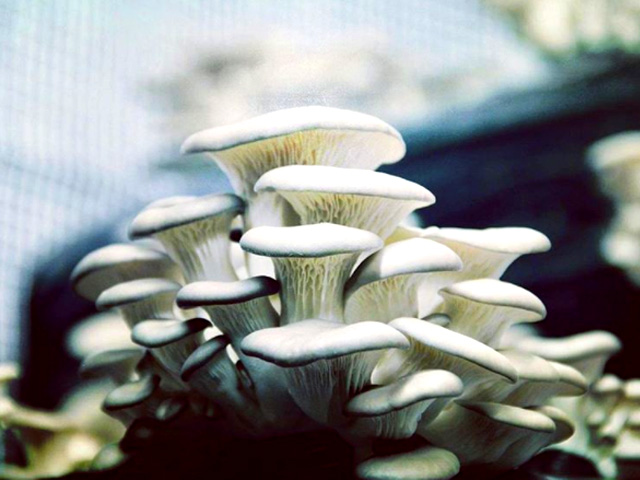
“We use aquaponics for certain crops, the cultivation on straw or hemp substrate for others,” said Champagnat.
The concept of urban farming is not new. Other similar initiatives that are proving to be successful include The Beacon Food Forest in Seattle, where the aim is to grow an edible urban forest garden that inspires the local community to gather together, grow their own food and rehabilitate the local ecosystem.
In Germany, the Prinzessinnengarten is an urban farm located on a site of the former Berlin Wall, between unused subway stops, graffiti-clad concrete walls and decaying apartment blocks. Inside the vine-covered fences grow a wide range of vegetables, all planted in easy-to-move containers that allow the entire operation to be moved if needed. Visitors can pick produce, learn about seed harvesting and vegetable pickling, or visit the café to enjoy food made from the garden’s produce. 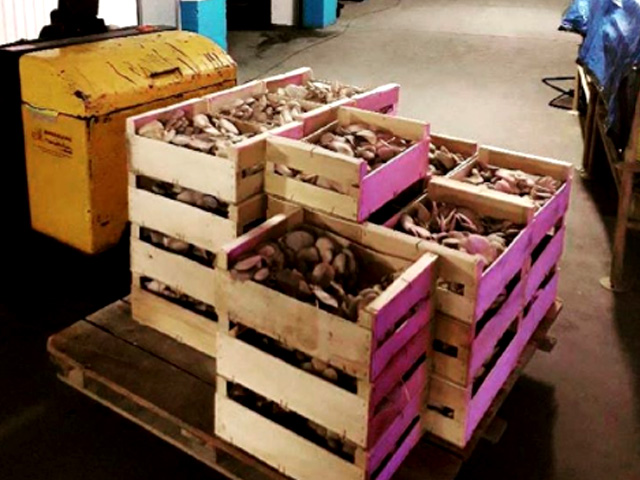
Urban farming is on the rise and could be a staple of the future food industry.