
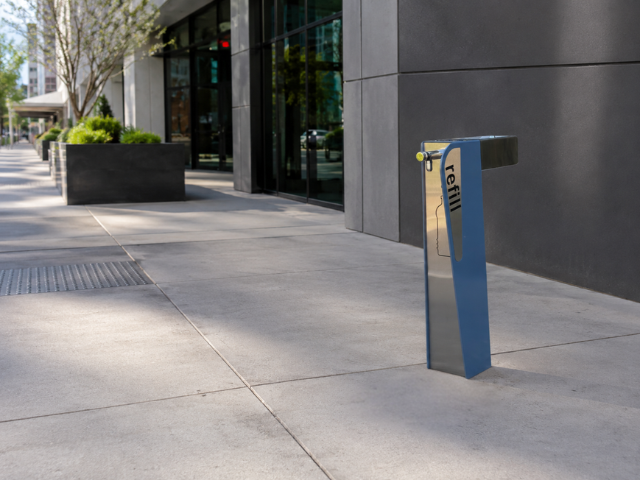
Today's public drinking infrastructure is far more than a functional amenity. Thoughtfully integrated hydration solutions encourage healthier communities, support sustainability initiatives and enhance the overall user experience. Like every other element within the landscape, they should be specified with purpose.
UNDERSTAND BEHAVIOUR BEFORE SPECIFYING PRODUCTS
No two public spaces are used in the same way. A neighbourhood park welcomes families and walkers throughout the day, while sporting precincts experience concentrated periods of high demand. Education campuses require fast, convenient bottle refills between classes, and civic spaces must cater to a diverse mix of users. Understanding how people move through and interact with a space should guide the selection, placement and configuration of hydration infrastructure from the outset.
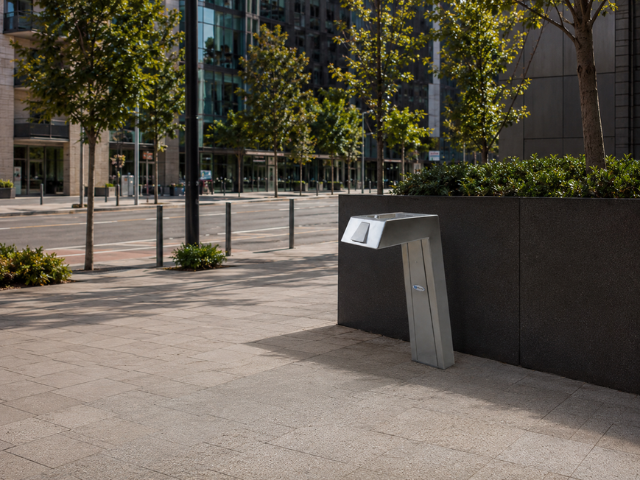
DESIGN FOR LONGEVITY, NOT JUST INSTALLATION
The best public infrastructure is rarely the feature people notice, but it is often one of the features they use the most. Material durability, corrosion resistance, ease of maintenance and serviceability all play a critical role in the long-term success of an asset. Looking beyond upfront cost to consider whole-of-life performance helps create public spaces that remain functional, attractive and cost-effective for years to come.
ACCESSIBILITY IS GOOD DESIGN
Inclusive public spaces begin with thoughtful planning, not compliance checklists. Providing equitable access through appropriate heights, clear approach paths and accessible configurations creates environments that are intuitive, welcoming and functional for everyone.
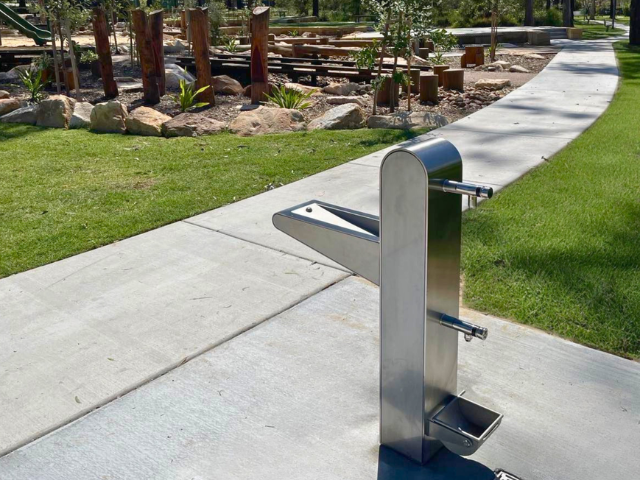
Apollo 450 DDA Drinking Fountain
INFRASTRUCTURE SHOULD COMPLEMENT THE LANDSCAPE, NOT COMPETE WITH IT
Public drinking infrastructure should integrate seamlessly into the surrounding environment. Materials, finishes and colours should reinforce the broader design vision, ensuring these everyday amenities contribute to the character of a space rather than interrupt it.
Great public spaces aren't defined by a single landmark feature. They're remembered because every element works together to create places that are comfortable, intuitive and enduring.
Hydration may occupy only a small footprint within a project, but when thoughtfully specified, it quietly supports the health, wellbeing and experience of every person who uses the space. The best public infrastructure doesn't ask to be noticed, it simply makes places work better.
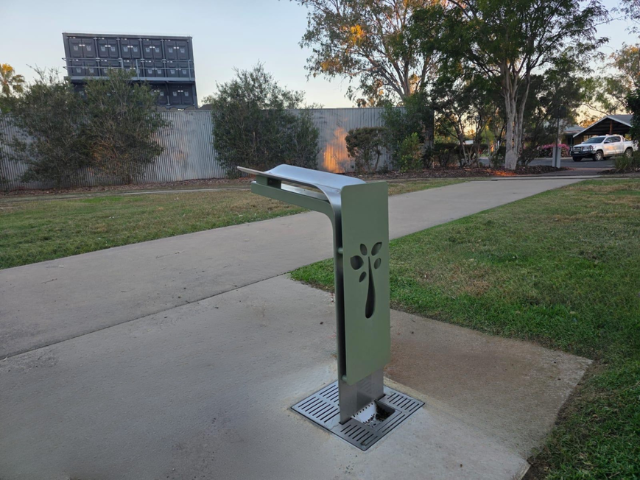
PLANNING A PUBLIC SPACE?
Urban+ partners with landscape architects, councils and project teams across Australia to deliver Australian-made hydration infrastructure that balances performance, accessibility and design flexibility. Whether you're developing concept designs or preparing project specifications, our team can assist with product selection, technical advice and specification support.
Visit Urban+ via the links below to learn more