
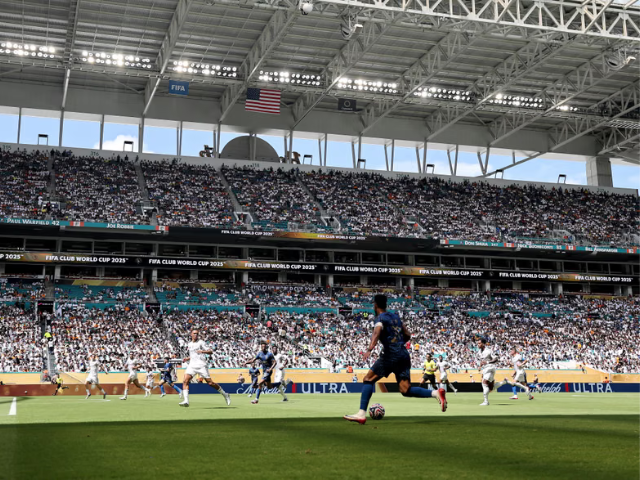
The FIFA World Cup is arguably the biggest sporting tournament in the world and this year it's expanded its number of participating countries from 32 to 48 countries, making it even bigger! Unlike many previous World Cups, where stadiums were purpose-built for the tournament, all of the 2026 World Cup venues were existing venues, the oldest built 54 years ago.
Note: Stadium names may look unfamiliar, as the Stadiums are using FIFA-approved names instead of the sponsored names that run afoul of the governing body’s clean venue rules. Both names will be listed below, with the FIFA name appearing first.
USA STADIUMS
Seattle Stadium | Lumen Field
Ellerbe Becket + LMN Architects
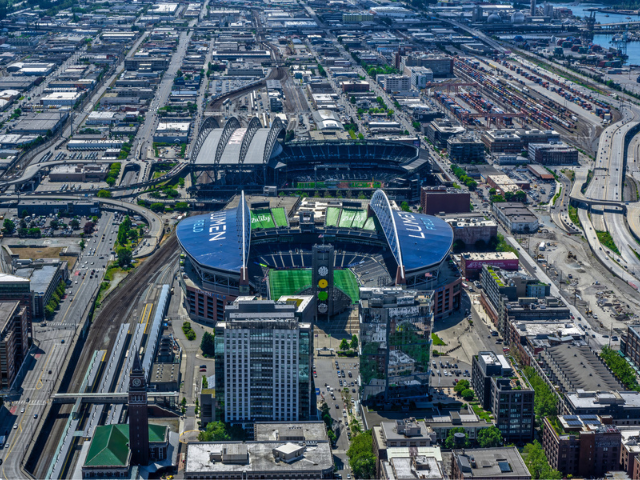
Opened in 2002 in Seattle's SoDo neighborhood, Lumen Field was designed by Ellerbe Becket and LMN Architects on the site formerly occupied by the Kingdome, and at a tournament capacity of 69,000 is one of the few 2026 World Cup venues situated within its city's urban core, located less than a mile from downtown Seattle and served by multiple transit modes. The stadium is formally distinguished by several features uncommon among outdoor NFL venues: a substantial roof structure covering the majority of sideline seating, and a deliberately open north end anchored by a pyramid-shaped bleacher section known as the Hawk's Nest, positioned at the base of a tower and intentionally left as a visual gap to preserve sightlines to the Seattle skyline.
San Francisco Bay Area Stadium | Levi's Stadium
HNTB

Opened in 2014 in Santa Clara, California, Levi's Stadium was designed by HNTB as the permanent home of the San Francisco 49ers, with a tournament capacity of 71,000. The building's architectural vocabulary is defined by the expressive use of its structure: white steel trusses, columns, cables and braces form a lightweight network that organises decks, stairs and ramps, with column bay spacing doubled through thin cables that also provide seismic reinforcement. The project was the first NFL stadium to achieve LEED Gold Certification, integrating geothermal energy, reclaimed water and rooftop photovoltaics.
Los Angeles Stadium | SoFi Stadium
HKS
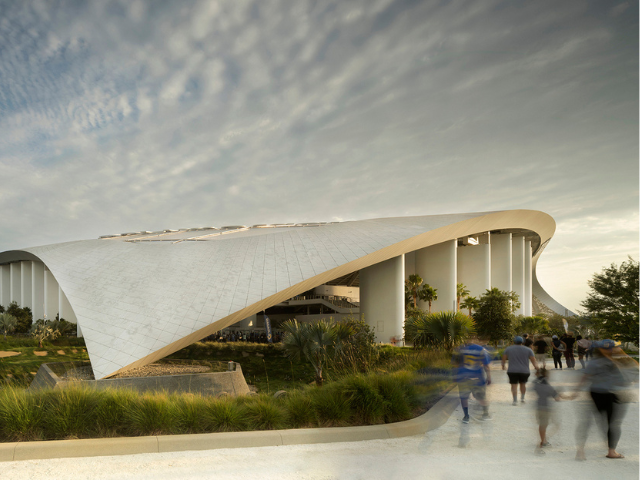
Opened in 2020 in Inglewood, California, SoFi Stadium was designed by HKS as the centerpiece of the Hollywood Park mixed-use development. With a tournament capacity of 70,000, expandable to 100,000 with temporary seating, the 288,000-square-metre structure's most distinctive architectural gesture is its monumental canopy: a sweeping, teardrop-shaped roof spanning roughly 93,000 square meters that covers the stadium bowl, an adjacent 6,000-seat performance venue, and a 2.5-acre public plaza, placing three independent venues under a single enclosure. The porous shell is composed of more than 35,000 individually unique anodised aluminum panels, with the semi-translucent canopy admitting natural light while sheltering the entire stadium structure.
Kansas City Stadium | Arrowhead Stadium
Kivett & Myers
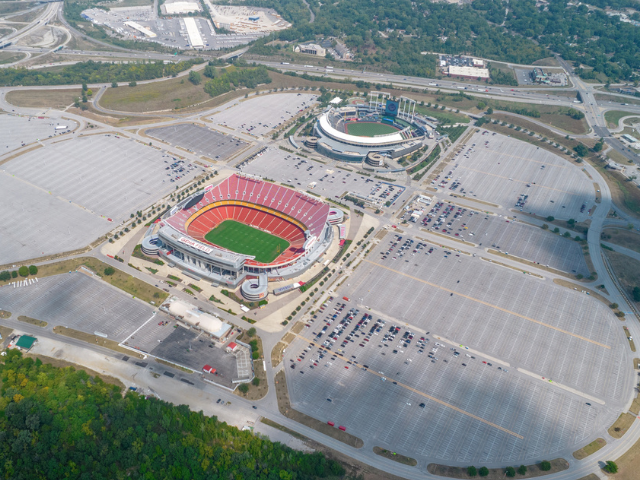
Opened in 1972 in Kansas City, Missouri, Arrowhead Stadium was designed by the local firm Kivett & Myers as part of the Truman Sports Complex. While contemporaries were built to serve both baseball and football teams through modular, interchangeable configurations, Kansas City opted instead to construct two adjacent single-sport venues: Arrowhead for the NFL's Chiefs and a separate facility for MLB's Royals. Arrowhead remains in active use more than fifty years after its opening, making it the oldest stadium among the 2026 World Cup venues in the United States. The building's most distinctive formal characteristic is its swooping roofline, which rises and dips along the upper edge of the bowl, placing corner seats in angular positions. With a current tournament capacity of 73,000, the venue has undergone a series of renovations over the decades, most significantly in 2010, with additions including an updated press box, football-shaped video boards at each end zone, and, in preparation for the 2026 World Cup, the removal of select seating rows to accommodate a FIFA-regulation pitch.
Dallas Stadium | AT&T Stadium
HKS
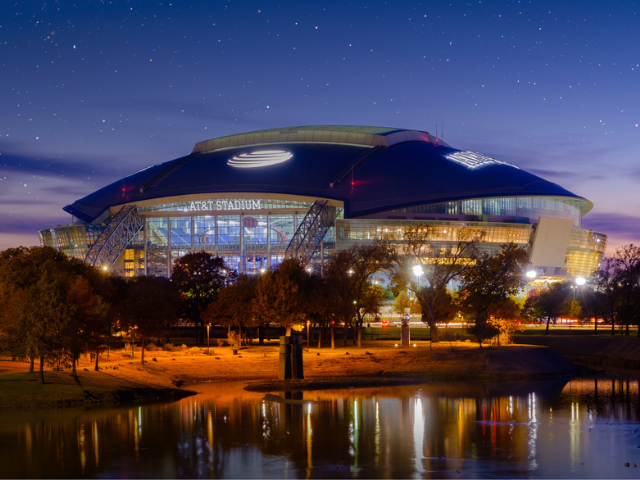
Opened in 2009 in Arlington, Texas, AT&T Stadium was designed by HKS as the permanent home of the Dallas Cowboys and has since established itself as one of the defining examples of the large-scale American sports venue. The 278,709-square-metre structure accommodates a tournament capacity of 94,000, the largest of any stadium at the 2026 World Cup, expandable to 100,000 with temporary seating. Structurally, the stadium is defined by two steel arches that span the full length of the venue and support a retractable roof. Canted glass walls, 800 feet long, enclose the stadium's two longitudinal facades, admitting daylight and framing views into the bowl from the end-zone entry plazas.
Atlanta Stadium | Mercedes-Benz Stadium
HOK
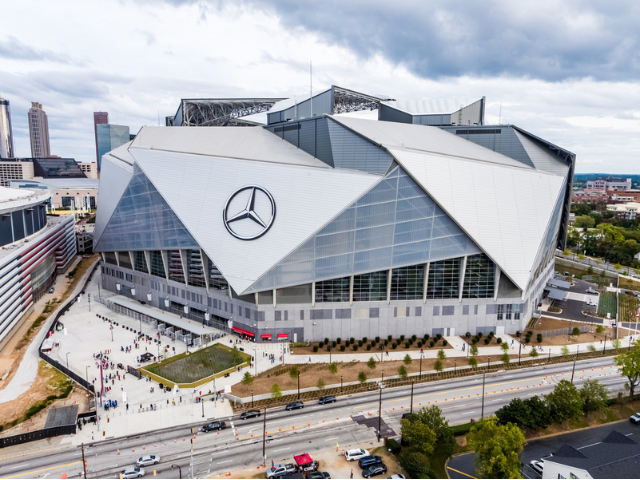
Opened in 2017, Mercedes-Benz Stadium was designed by HOK as a shared home for the NFL's Atlanta Falcons and MLS's Atlanta United, with a tournament capacity of 75,000. The building's most distinctive feature is its retractable roof: eight cantilevered ETFE-clad petals rotate open in a pinwheel configuration within ten minutes, creating an oval aperture that spans the full length of the field. The stadium holds LEED Platinum certification, the first in North America, supported by a water capture and reuse system and over 4,000 photovoltaic panels generating sufficient solar energy to power ten home games annually. The retractable roof is expected to remain closed during the 2026 World Cup matches to manage Atlanta's summer heat and humidity, with the ETFE canopy admitting diffused natural light into the bowl throughout.
Houston Stadium | NRG Stadium
Populous
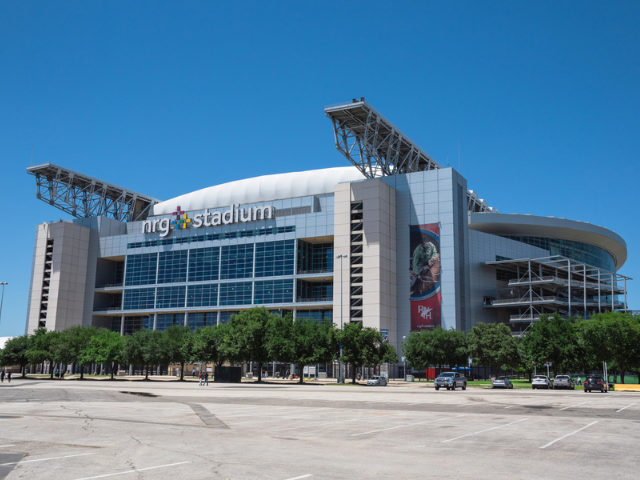
Opened in 2002 in Houston, Texas, NRG Stadium was designed by Populous, then practicing as HOK Sport and holds the distinction of being the first retractable-roof stadium in the NFL. The structure has a tournament capacity of 72,200, and its enclosure is defined by large glass curtain walls along the facade that maximise transparency and solar penetration and a retractable roof composed of steel-hinged frames wrapped in translucent fabric. The roof opens in two sections that meet at the center of the field, a process taking approximately seven minutes, though it is anticipated to remain closed throughout the 2026 World Cup matches to manage Houston's summer heat and humidity.
Boston Stadium | Gillette Stadium
Populous
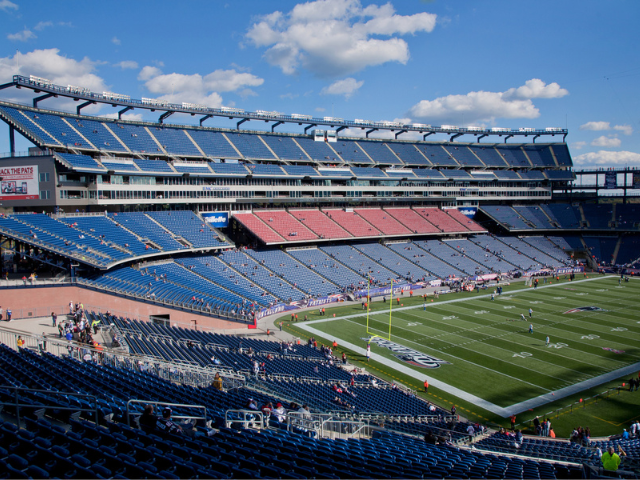
Opened in 2002 in Foxborough, Massachusetts, Gillette Stadium was designed by Populous for the Kraft Group as a replacement for the adjacent Foxboro Stadium, itself a 1994 World Cup venue and holds a tournament capacity of 66,000. The design is grounded in its site's physical characteristics: naturally occurring granite outcroppings were incorporated into the west concourse and playing field level, producing a distinctive split-level section that is one of the more unusual spatial conditions found in contemporary NFL stadiums.
Philadelphia Stadium | Lincoln Financial Field
NBBJ
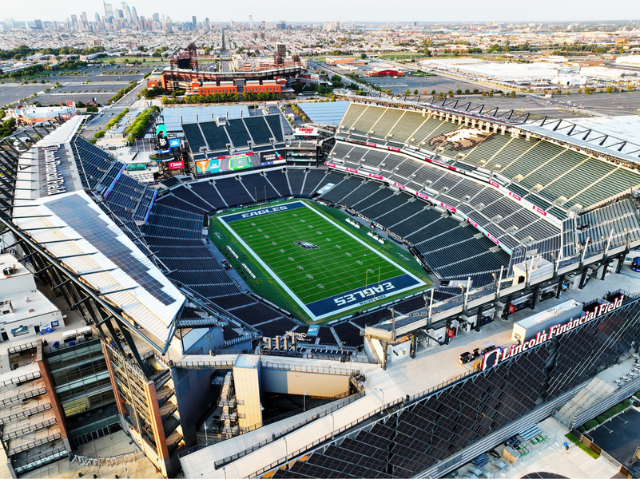
Opened in 2003 in Philadelphia, Lincoln Financial Field was designed by Seattle-based NBBJ as a dedicated football stadium for the Philadelphia Eagles, replacing the multipurpose Veterans Stadium that had occupied the same south Philadelphia sports complex since 1971. With a tournament capacity of 69,000, the building concentrates seating along the sidelines to maximise sightlines and atmosphere, leaving the end zones comparatively open, a configuration that creates views toward the city skyline while introducing wind conditions that have become part of the stadium's identity as a notoriously difficult away venue. The large roof wings extending over the sideline seating are designed to reflect sound back onto the field, reinforcing acoustic intensity in the bowl.
Miami Stadium | Hard Rock Stadium
HOK
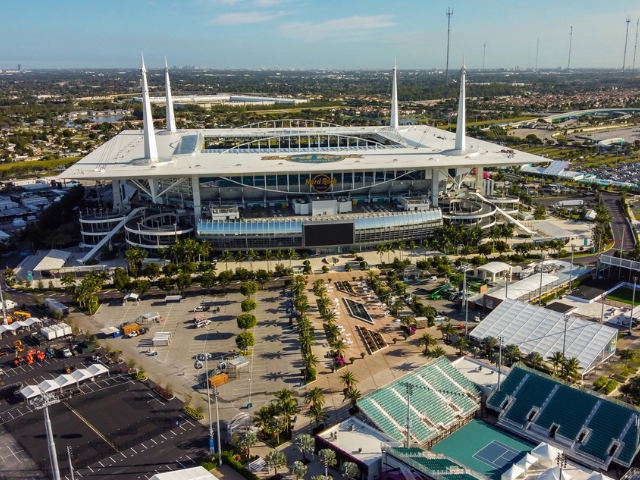
Originally opened in 1987 in Miami Gardens, Florida, Hard Rock Stadium has undergone a more extensive series of transformations than perhaps any other venue in the 2026 World Cup, carrying nine different names over its history and evolving from a fully uncovered multipurpose facility to its current configuration through successive phases of renovation designed by HOK. The most consequential of these interventions was the addition of an open-air canopy, now the stadium's defining architectural feature: a lightweight structure that covers the majority of seating, providing shade and weather protection in South Florida's heat and humidity while amplifying crowd noise within the bowl. The broader renovation program replaced all seating, introduced new field-level and sideline club environments and renewed the premium suite levels. The stadium, which has hosted six Super Bowls and a long history of international football matches, holds a tournament capacity of 65,000. Its longevity and accumulated layers of modification make it an unusual presence among the 2026 venues, less a singular architectural statement than a pragmatic and repeatedly adapted infrastructure that has remained competitive with newer facilities through sustained reinvestment rather than replacement.
New York/New Jersey Stadium | MetLife Stadium
HOK

Opened in 2010, MetLife Stadium was designed by HOK as the home of both the NFL's New York Giants and New York Jets, the first stadium in the league specifically designed from the outset to be shared by two franchises, and holds a tournament capacity of 82,500. The exterior is characterized by a continuous skin of aluminum slats wrapping the facade, giving the bowl a uniform enclosure. The stadium is open-air and largely unroofed, a consequence of a late revision to the funding agreement that eliminated a planned retractable roof from the design, with only a partial canopy covering a portion of the seating. Situated in the Meadowlands, five miles west of Manhattan across the Hudson River, the stadium occupies a flat, infrastructurally complex site with limited transit access: there is no direct rail connection from New York City, and vehicular traffic is a persistent logistical challenge following major events. It is set to be the site of the final.
MEXICO
Estadio Guadalajara | Estadio Akron
Jean Marie Massaud, Daniel Pouzet & Populous
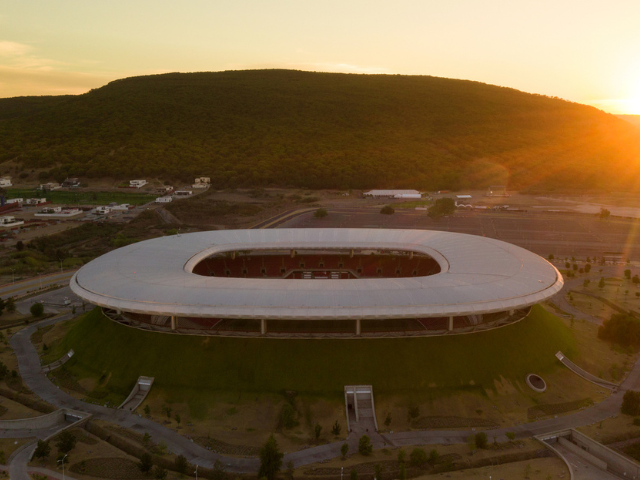
The 48,000-seat Estadio Akron has a distinctive form, with a grass-covered lower structure topped with a circular raised canopy evoking a volcano. The design drew inspiration from natural landmarks such as dormant volcanoes, emphasising natural light penetration and harmonious integration with the surrounding Bosque La Primavera landscape in Zapopan, creating a structure that integrates into its environment like a man-made hill. The architects designed a stadium that appears to rise out of the ground, with the pitch lying approximately 11 metres beneath the natural surface of the site, and the excavated soil used to shape the exterior slopes. Inside, the 'crater' features red seating arranged in double-tiered stands, completing the volcanic metaphor, while the white roof appears to float, supported by 16 structural pillars.
Estadio Monterrey | BBVA Bancomer Stadium
Populous + VFO
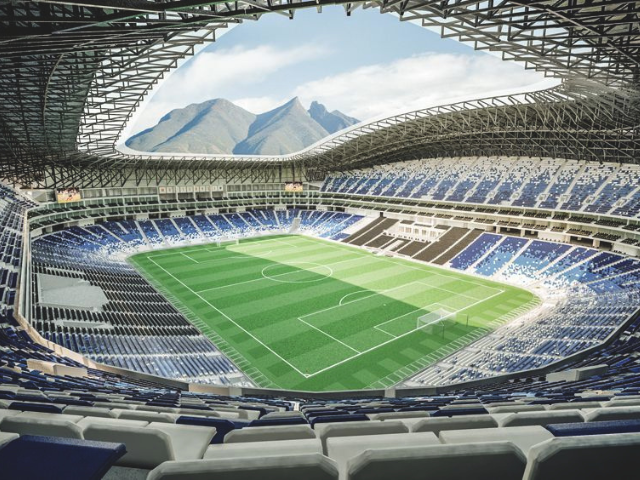
Completed in 2015 in Guadalupe, Nuevo León, on the eastern edge of the Monterrey metropolitan area, the Estadio BBVA was designed by Populous with local architects VFO Arquitectos and holds a tournament capacity of 53,500. The design takes its formal and material guidelines from the region's history of brewing and steel manufacturing; the stadium's self-supported tripodal structure is flanked by rolled steel trusses clad in aluminum, referencing the steel mills that shaped Monterrey's industrial identity and earning the building its popular nickname, "the steel giant." The cantilever roof, clad in translucent polycarbonate panels, is configured to block direct sunlight while allowing airflow through the bowl. The south end of the stadium's bowl opens directly toward the Cerro de la Silla, a mountain peak approaching 6,000 feet, establishing an explicit visual relationship between the built structure and the regional landscape.
Mexico City Stadium | Estadio Azteca
Pedro Ramírez Vázquez + Rafael Mijares
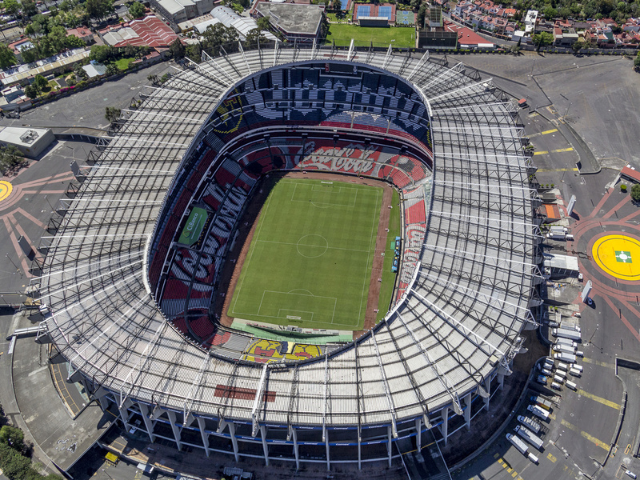
Built between 1962 and 1966 on volcanic ground in the south of Mexico City, Estadio Azteca replaced the conventional rectangular stadium typology with a continuous elliptical bowl, eliminating blind corners and improving sightlines. Architects Pedro Ramírez Vázquez and Rafael Mijares conceived a venue with a concrete cantilever design that eliminates interior columns and guarantees unobstructed visibility from every seat. The stadium holds the distinction of being the first venue to host two FIFA World Cup Finals, in 1970 and 1986, and served as the principal venue for the first Olympic Games held in Latin America. The most recent renovation brought the capacity to approximately 87,000, making it the largest stadium in Latin America. For the 2026 World Cup, the stadium underwent further upgrades, including new LED videoboards, team dugouts and improved facilities.
CANADA
BC Place Vancouver | BC Place Stadium
Studio Phillips Barratt
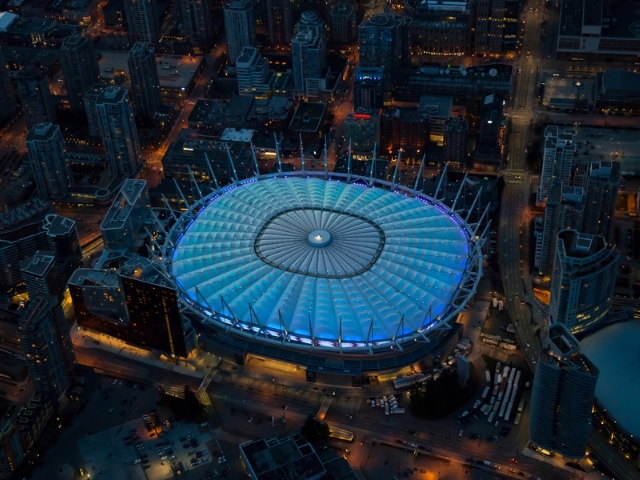
Located on the north side of False Creek in downtown Vancouver, bridging the Yaletown waterfront district and the edge of Chinatown, BC Place was originally built as part of the preparations for Expo 86 and first opened in 1983. The multi-purpose stadium was transformed in 2011 by Stantec on the occasion of the 2010 Winter Olympics, which it hosted for both the opening and closing ceremonies, when its permanent roof was replaced with what remains the world's largest cable-supported retractable roof, with a retractable centre portion measuring approximately 100 by 85 metres and a total seating capacity of 54,500. The roof's cable structure casts a distinctive shadow across the field when open and takes approximately 20 minutes to operate. The roof is expected to remain closed due to concerns over uneven sunlight affecting the natural grass surface being imported for the occasion.
Toronto Stadium | BMO Field
Brisbin Brooks Beynon Architects
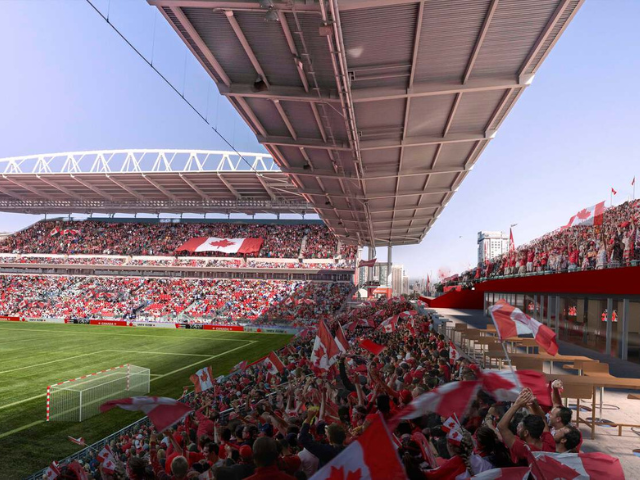
Located at Exhibition Place in Toronto, BMO Field opened in 2007 as Canada's first soccer-specific stadium, originally built to host the FIFA U-20 World Cup and serve as the home ground for Toronto FC. Designed with a 20,000-seat capacity, the stadium has since undergone significant expansion, most notably between 2014 and 2016, when a series of renovations led by Gensler added an upper deck to the east grandstand, a Premier League-style roof canopy over the seating areas, and modifications to accommodate Canadian Football League play, including a natural and artificial turf hybrid and removable south grandstands. In preparation for the 2026 FIFA World Cup, the stadium underwent a further phase of upgrades, bringing its tournament capacity to 45,000 through the addition of a large temporary structure at the south end, alongside a new rooftop patio and lounge, updated team dugouts, LED videoboards, and a new sound system.
Images via ArchDaily