
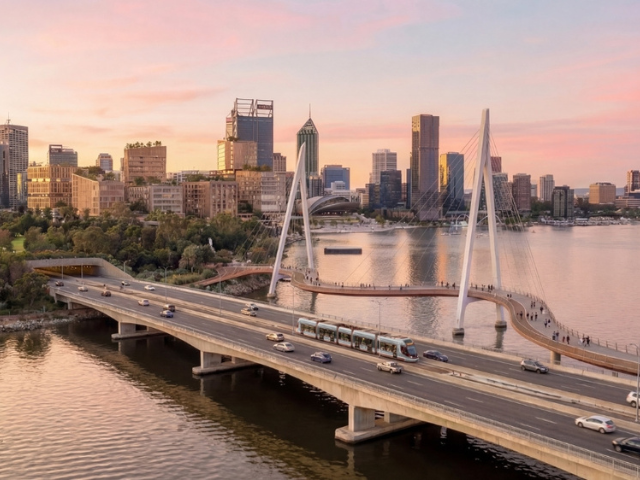
The City of Perth is experiencing a rate of development and growth unseen for decades, with the current 35,000 population projected to reach 55,000 residents by 2036 and up to 90,000 by 2050. As the inner city population and visitation numbers grow, the pace of change also presents new challenges in maintaining the liveability, desirability and sustainability of the city centre and neighbourhoods.
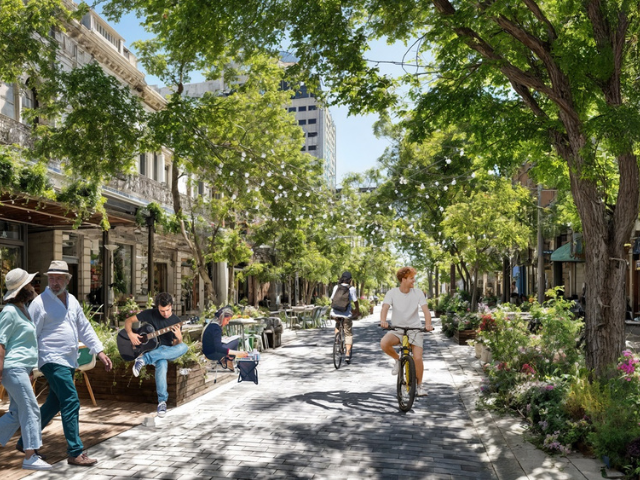
With those challenges in mind, the City recommissioned Gehl in 2025 for a third study - the first and second in 1994 and 2009, respectively - to provide an in-depth investigation of the urban realm within Central Perth. Through its comprehensive analysis of public spaces, pedestrian movements, urban life and street-level experiences, the study generated a depth of evidence-based insights that have significantly guided the development of the Perth Capital City Plan:
- a desire for people-centred design, activation, river integration, improved movement networks and enhanced public spaces
- the need for improved connectivity and transport, particularly through better walkability, public transport and cycling networks
- a focus on cultural identity and inclusion is required, with community aspirations for better celebrating diversity and cultural storytelling
- the importance of housing and mixed-use development, recognising that a thriving capital city requires affordable living options and precincts that blend residential, commercial and social uses
- the need for a high-quality public realm and amenities that include shade, seating and hygiene facilities that support comfort, accessibility and civic life
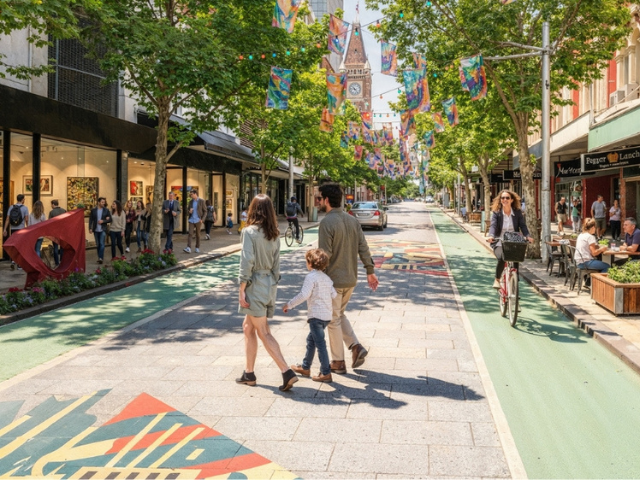
The Gehl study acts as a key informing evidence source, amongst other broader and complex sources, to shape a holistic, long-term strategic vision for how the city lives, works, moves, grows and evolves. The resulting Plan is a forward-facing roadmap with a vision to be the most vibrant, connected and welcoming city in Australia.
Spanning the next decade and beyond, the Plan will lead to a 2036 sustainable capital city that supports economic prosperity, strengthens communities and champions environmental stewardship. It also builds on strengths by setting clear long-term direction to support Perth’s continued growth as a dynamic, resilient and future-ready capital city.
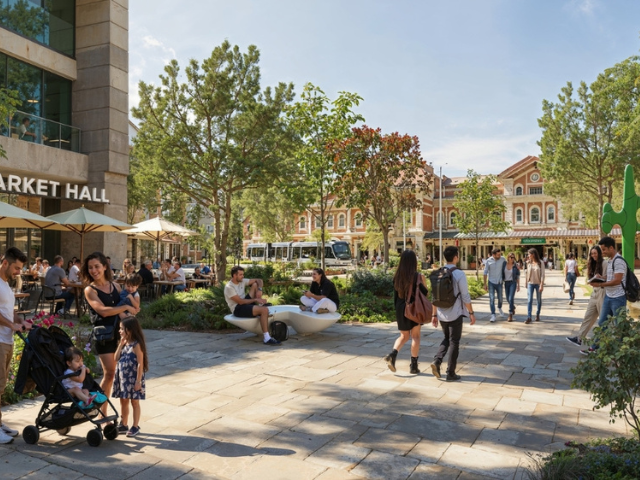
The vision is comprised of five key goals, supported by 20 actionable directions, alongside five major projects designed to attract visitors and residents, improve public spaces and better connect the city centre with Kings Park and the Swan River.
The five projects presented in the vision include:
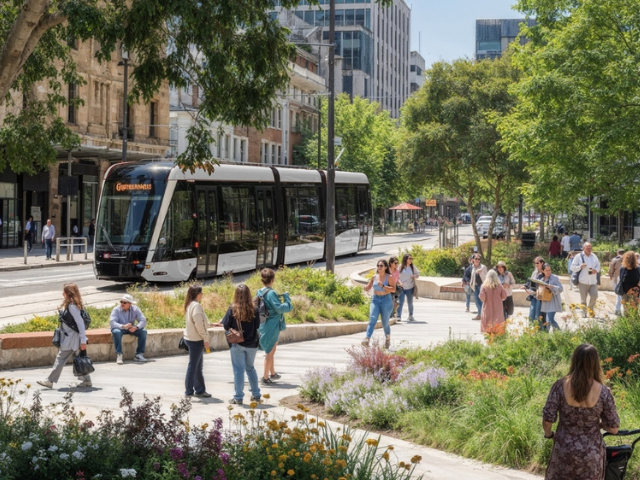
- Development of the north–south connecting city corridors, including transformation of William Street into a green spine and Barrack Street into a cultural spine, as well as a new “People’s Walk” connecting Central Perth Station, Forrest Place, Carillon City and Elizabeth Quay
- Creation of a connected waterfront route, named Buneenboro Loop, linking Swan River (Derbal Yerrigan), Kings Park (Kaarta Gar-up), Perth Convention and Exhibition Centre, Elizabeth Quay and Langley Park
- Supporting new residential neighbourhoods across the city centre, with a focus on King, Pier, Irwin and Queen streets
- Repositioning Hay and Murray Street Malls as a vibrant, mixed-use destination
- Renewal of St Georges Terrace and Wellington Street as people-first, east–west transit corridors.
City of Perth Lord Mayor Bruce Reynolds said the plan “sets a clear, people-first direction for that evolution, ensuring Perth remains liveable, prosperous and sustainable for decades to come. Perth is a vibrant, globally recognised city and a growing economic powerhouse. Our city centre must continue to evolve to support that growth and unlock its full potential.”
Reynolds commented that the plan “prioritis[es] high-quality public spaces, greater housing choice, thriving local businesses and rich cultural experiences that encourage people to explore the city and stay longer.”
The feedback on the Draft plan will directly inform the development of Perth Capital City Plan, with final endorsement expected by mid-2026.