
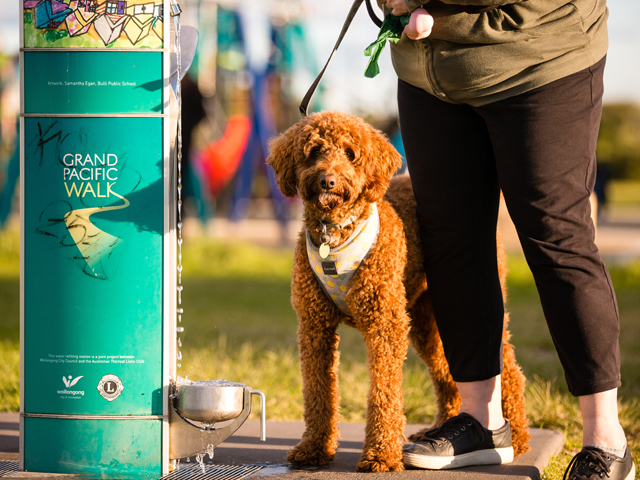
Dogs aren’t just an add-on to our lives. For many of us, dogs are family. They’re with us for every part of the day. They’re part of the routine. Morning walks, weekend trails, quick trips to the oval, or a long loop through the local park.
73 percent of Australian households have a pet, and dogs are still the favourite. Dog bowls in public spaces aren’t just a nice-to-have. They’re a practical part of every walk, run, trail loop or quick stop at the park. Dog parks, coastal paths, sporting ovals, town centres, open space trails. When councils plan for both people and pets, everyone benefits.
WHY WATER POINTS MATTER
When there’s no water available, people usually do one of three things:
- Carry water and a bowl
- Head home early
- Buy bottled water
All of these make outings harder and create unnecessary waste. For councils, it means more complaints, extra clean-ups, and added pressure on maintenance teams. When water is easy to access, people stay longer, move more, and come back more often. Dogs stay calmer too. That’s why more councils are making public spaces pet-friendly.
THE REAL ISSUE PEOPLE RAISE ABOUT SHARED DOG BOWLS
Dog owners ask the same questions again and again:
- Will my dog drink from a bowl other dogs have used
- How do I know the water is fresh?
- Can I empty it easily if it looks off?
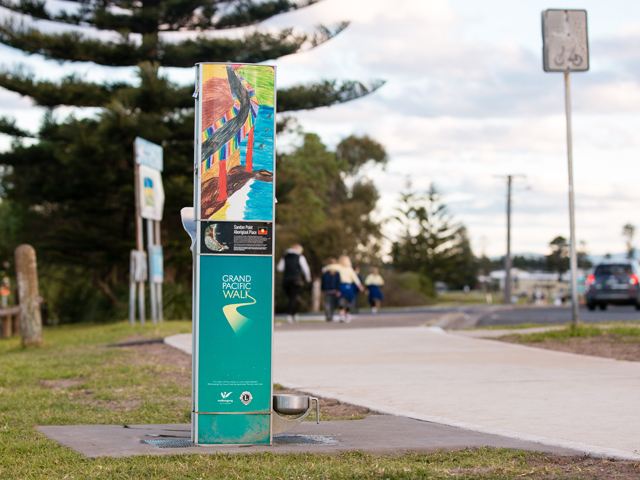
That’s why bowl design matters. If you can empty, refresh, and move on in seconds, more people will use the water point.
For plumbed dog-friendly water points, look for AS/NZS 4020 and relevant WaterMark certification. This keeps bowls safe, durable, and ready for everyday use. These questions come up everywhere: in conversations, online, and in parks. Good design can take away a lot of that hesitation.
WHAT A GOOD PUBLIC DOG BOWL NEEDS TO DO
A good public dog bowl should be simple, clean, and easy to reset. Cleaning should be routine, not a big job. The faster teams can empty, rinse, and reset the bowl, the easier it is to keep all running smoothly. Look for features that make a difference from day one:
- Hands free access so people refill without pressing buttons
- A bowl design that lets owners empty and refresh it easily
- Drainage that stops water sitting and looking stale
- Durable stainless steel that handles frequent cleaning
- Accessible design so more people can use it comfortably
- Vandal resistant build for busy public areas
- Clear space for signage so councils can support good etiquette
- Clear service access helps maintenance stay predictable
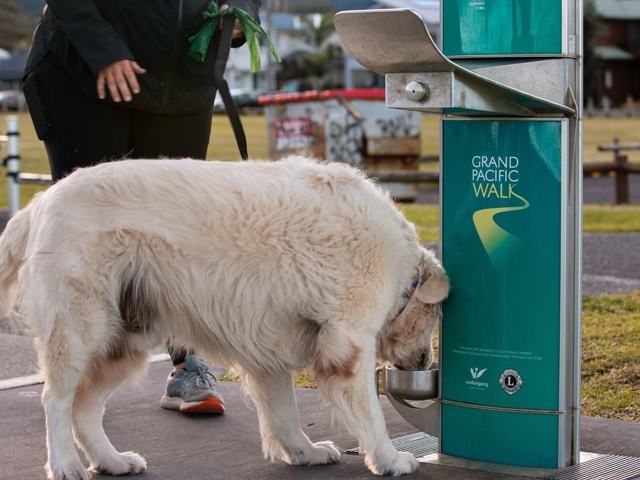
This is where a self-draining pet bowl really makes a difference. It keeps water fresher by letting it drain slowly, so water doesn’t sit in the bowl for too long. Dogs get a drink when they need it, and the bowl stays inviting all day long. It also helps prevent that stale-water look that can turn dogs and owners away.
PUBLIC SPACES, NOT JUST DOG PARKS
Dog parks are an obvious place for dog bowls. They bring dogs and owners together, and water access is essential. But public spaces matter just as much. Think:
- Coastal walks
- Shared paths and trails
- Open parks and playground edges
- Sporting ovals
- Town centres
- Destination precincts where people spend hours outside
These places need water points that work for both people and pets. They also need to handle weather, salt air, and constant use. They also need to be accessible. Clear space to approach, stable ground, and easy-to-use controls make a big difference for older visitors and anyone using mobility aids.
A REAL WORLD EXAMPLE
When budgets are tight, every public asset gets extra scrutiny. The ABC covered a WA council debate about a dog drinking fountain, and it made one point clear. The bowl itself is only a small part of the cost. Most of the spending goes into compliant installation and infrastructure that can handle heavy use and damage. That’s the real cost: installation, compliance, and a unit that lasts. It needs to be tough enough for public use. That’s why councils often choose durable stainless steel for high-traffic locations. It lasts longer, stands up to harsh conditions, and reduces the risk of regular repairs. The City of Gold Coast needed water stations that fit outdoor spaces and could withstand coastal conditions. Civiq and the City of Gold Coast Council have teamed up to deliver fourteen permanent drinking water stations along the coastline.
With multi-functional hydration solutions, councils create dog parks and public spaces that support active lifestyles, community relationships, and sustainable habits.
Essential for healthy and happy communities. That’s why, if you have designs on better, go where it’s better by design.
Visit Civiq via the links below to learn more